


Planning your first dive trip
Planning your first dive trip is both exciting and stressful. Where to go? What to pack? What to know before you dive? There is a lot to think consider. Here are a few tips that will help you plan, pack, and dive with ease.
Choosing a destination
You may want to jump right into your most extreme dive destination for your first trip, but that may not be the right move. You need to consider the skill level of the entire party, whether your whole group wants to dive, and how much diving you want to do.
For example, if you have non-diving travelers, or you don’t want to do four dives a day, then a liveaboard is not the way to go. Opt for a resort with easy access diving and a beautiful infinity pool to lounge by when you’re done.
Preparing for your trip
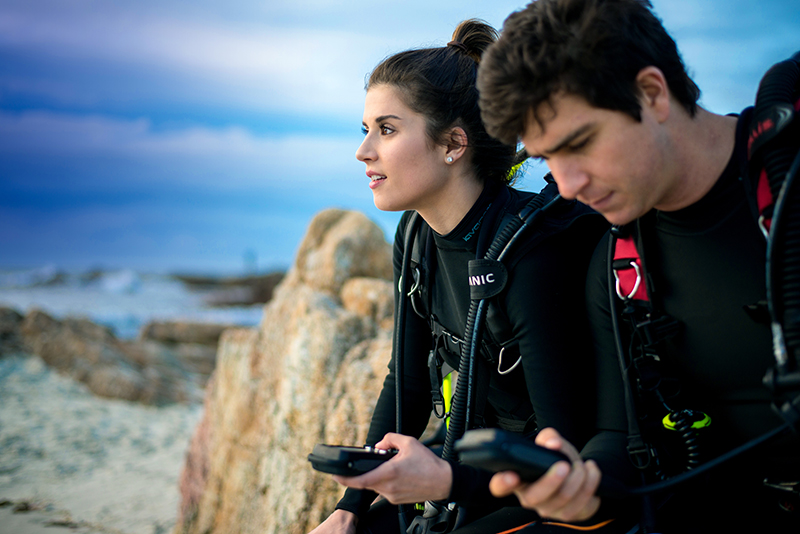
Knowing before you go makes the whole trip less stressful. Research the dive sites, water temperature, equipment, and skills you’ll need. Then, it’s time to gather your dive gear and make sure everything is in working order.
In the name of traveling light, you might be tempted to rent your equipment when you get there. If you go this route, then you’ll need to be prepared to take what you get. Traveling with your dive gear ensures you are diving with well-maintained, clean, and quality gear. You’ll find the most seasoned dive travelers packing all their personal equipment, but here are the bare essentials you’ll want to consider:
Mask: A poorly fitting mask can ruin the dive. Find a mask that fits you right and remove the silicone film manufacturing leaves behind on the lens before you go.
Regulator: Since you had it serviced and tested before you left, you know it is working great and, most of all, clean.
Computer: Your dive computer is probably considered the most crucial piece of equipment to bring with you. You have no idea what kind of computer the rental department may offer, and sitting on the boat is not the time to learn how to use it.
BCD: If needed, you could rent a BCD, but diving in your gear is so much more comfortable. Space can be limited in your dive bag, consider a BCD explicitly designed for travel such as the Oceanic Biolite.
Fins: One style fin does not fit all. Fins are another one of those personal fit pieces of gear. The right fins become an extension of you, and you’ll be just as comfortable on the last dive as you were on the first.
Pro Tip: Dive before you go. Your dive trip isn’t the time to figure out that new fancy mask doesn’t fit you properly, or you don’t know how to inflate an SMB at depth. Don’t waste the first days of your dive trip re-learning how to dive. Go for a dive, even if it’s in the pool, and test out your gear and dive skills before your trip. A refresher course can be done in a day at your local dive shop, and even the pros go on “work-up dives” before they leave for their trip.
Pack it up
All the planning, practicing, and servicing doesn’t mean anything if you leave the important things behind. You’ll see even the most experienced divers run through a checklist when packing their bags. Pack your most essential gear, such as your dive computer or regulator, in your carry-on in case your checked luggage gets lost along the way.
Keep an open mind
Being prepared for your first dive trip takes away most of the stress and opens you up to more fun. But, keep in mind that things don’t always go as planned. Inclement weather and diving conditions can come up in a flash, so be flexible. Forcing a dive on a day where conditions are borderline dangerous is a recipe for disaster. Trust your instincts, and don’t afraid to call the dive.
Happy diving and safe travels.