


1. Don’t Alter the Environment
Altering the environment that you’re shooting can have irreparable damage. Marine life is adept at reacting to natural changes to their environment but might not survive changes brought on my human interaction. It is especially important not to alter the environment if you’re photographing a macro subject. For instance, if you are shooting a Frog Fish and there’s some algae or seaweed in your view, don’t remove the obstruction. Instead, find another angle or subject. Also don’t frighten the animal away from its natural position. If shooting a starfish, don’t pick up the starfish and try to put it in a more appealing location for your shot. Always shoot the scene as it is, not as you want it to be.
2. Only Take Photos That You Need
It can be tempting to spend an entire day taking photos underwater, especially with the abundance of beautiful marine life that you’ll come across. Underwater photography is a privilege; be sure not to take pictures because you think you can, instead only take the pictures you think you need, and be respectful of the time you spend underwater.
3. Be Respectful of Other Photographers
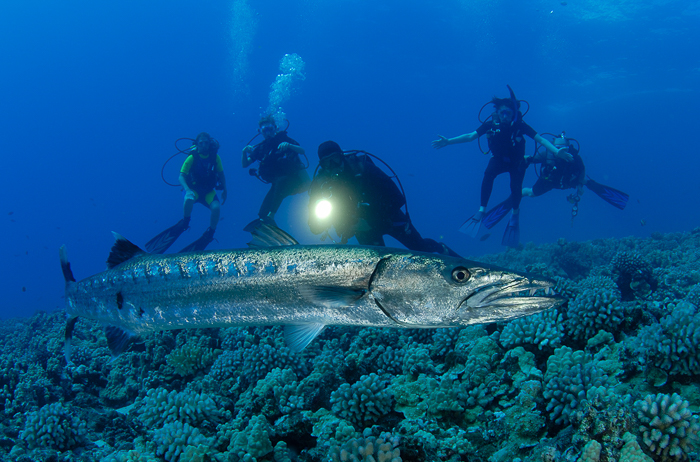
Don’t be the greedy photographer who pushes his/her way in front to get a picture of an animal, and then have them hide away not to be seen again. This will prevent other divers and photographers from experiencing the wildlife that they’ve been waiting for, and scares the animals which can have a harmful effect on the environment.
4. Pay Attention to Your Air and Depth
While interacting with marine life, don’t go deeper than you should while checking out a dolphin, manta, or other wildlife phenomenon. Pay attention to your air and depth at all times, and if you aren’t 100% certain that you can make it, call it a day and return another time.
5. Know the Area
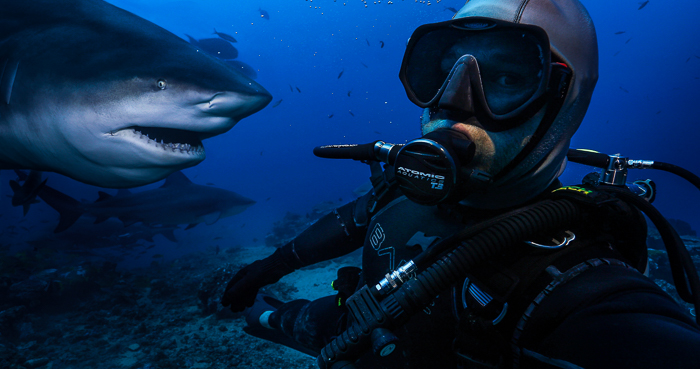
While respecting the environment is important, you should also be certain you’re taking precautions to keep yourself safe during your dive. Ask your dive master about the wildlife in your area, study books, and read up on what you can expect when you break the surface. Listen to tips and advice from experienced photographers and learn how to recognize behavior that shows an animal is stressed or defensive.
Related: Ever photographed in Bonaire or Rivera Maya? Check out these Inspirational Budget-Friendly Dive Destinations.
6. Maintain Proper Buoyancy on the Bottom
The bottom is a mysterious place, but it’s also where you’ll see most wildlife. Since exploring and photographing animals on the bottom is expected, make sure to maintain proper buoyancy and watch your fins so you don’t stir up the bottom, or even worse, damage a coral.
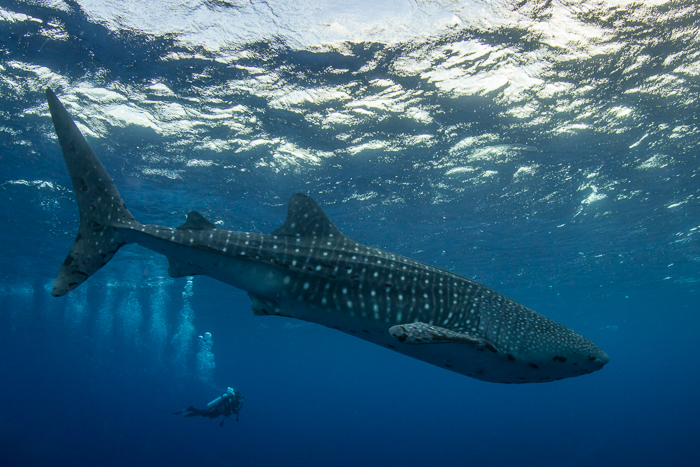
7. Don’t Chase the Animals
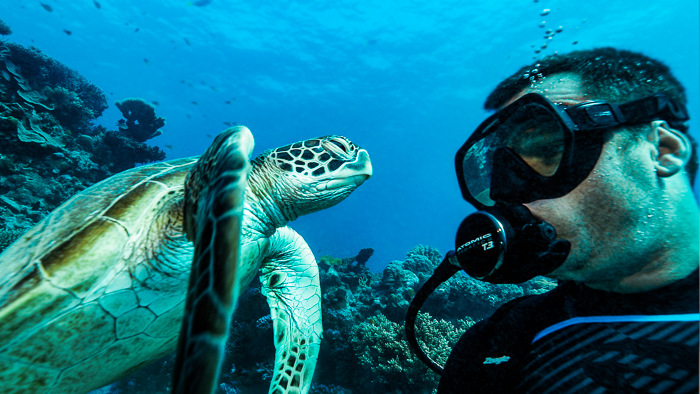
Nearly every topside or underwater creature reacts the same to being chased: they try to escape. If a turtle, fish, octopus, or other critter is frightened, back off, lie low and be still. If the animal is curious enough, it might come out of hiding. Chasing an animal is a good way to ensure you’ll never see it again.
8. Don’t Touch
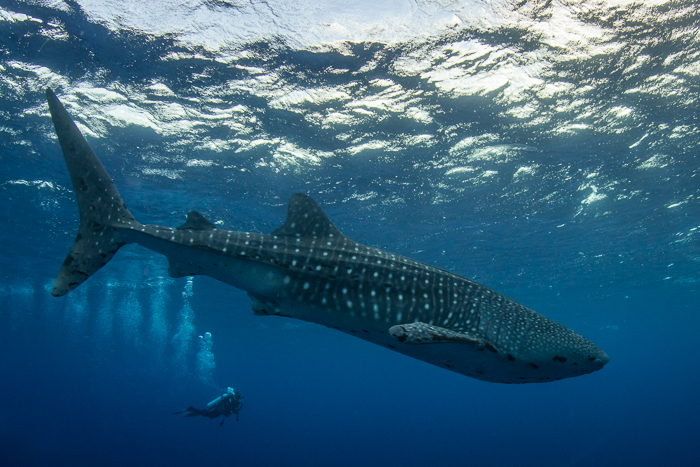
The ocean is not a petting zoo. Whale sharks, turtles and other pelagics aren’t domesticated animals. They are sensitive creatures that can be easily injured. Do not touch the animals.
Read More: Underwater photography takes great planning. Learn how to plan for your next dive trip!